Established in 2020, Big touch organic foods is wholesale organic food supply company that specializes in providing large quantities of organic food products to retailers, restaurants, and other businesses. We source our products from local organic farms and suppliers, ensuring that all our offerings meet the highest standards of quality and sustainability. Our product range includes Peanuts, Cashew nuts, Ginger powder, Almond nuts, Moringa seeds and more, all certified organic. By partnering with Big Touch Organic Food, businesses can access a wide variety of organic food options to cater to the growing demand for healthy and environmentally friendly products.
About Us
Welcome to
BIGTOUCH ORGANIC FOODS
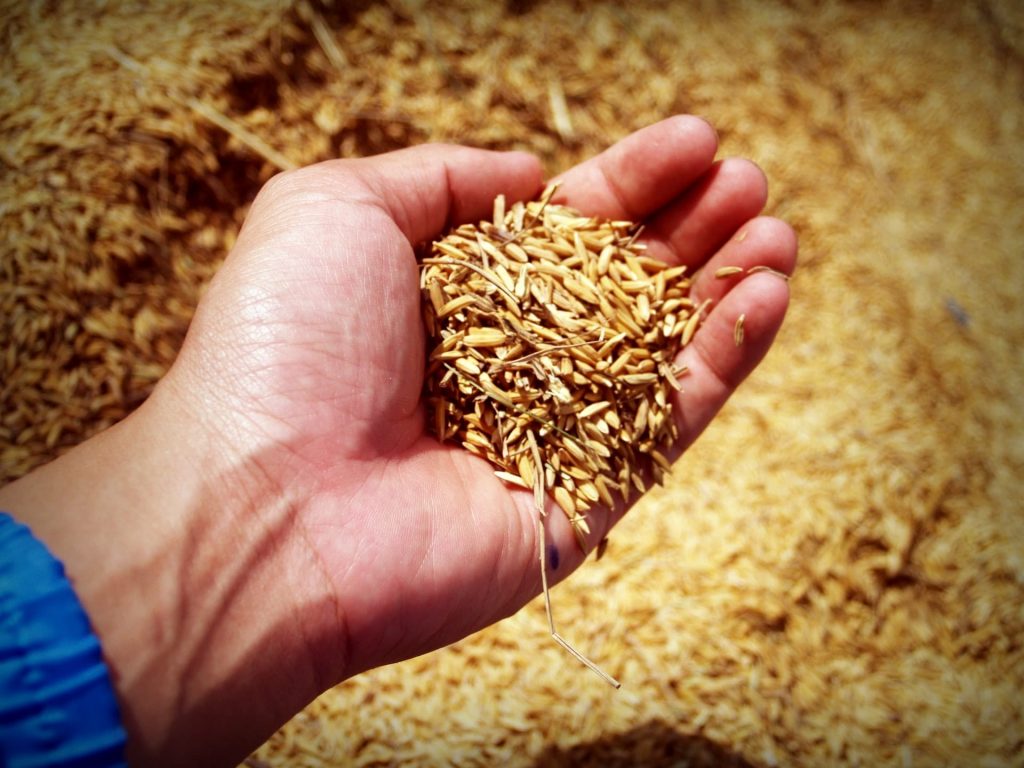
We emphasize the importance of maintaining healthy soil through techniques like crop rotation, cover cropping, and the use of organic matter (compost and manure). Healthy soil supports robust plant growth, devoid of synthetic fertilizers.
We prohibit the use of genetically modified seeds or crops. Instead, we focuse on preserving traditional and heirloom varieties.
Our Farming Method
Our farming operation is guided by principles such as biodiversity, soil health, ecological balance, and minimized use of external inputs. It focuses on creating a closed-loop system where resources are recycled and waste is minimized. We practice integrated pest management (IPM) techniques, such as introducing natural predators, rotating crops, and using resistant plant varieties

OUR GOALS
Our goal is to make organic food more accessible to the general public, not just limited to specialized health food stores. By partnering with food stores and supermarkets, we can reach a larger customer base and create awareness about the benefits of organic food. Expanding our supply to all food stores and supermarkets across the UK will also help us meet the growing demand for organic products. As consumers become more conscious of their health and the environmental impact of food production, the demand for organic options continues to rise. By being readily available in major grocery outlets, we can cater to this increasing demand and ensure that consumers have easy access to our products. In addition to expanding our product distribution, we are also working on diversifying our product offerings. We understand that customers have varying preferences and dietary needs, so we are constantly working on introducing new products to meet their demands. From gluten-free options to plant-based alternatives, we are committed to providing a wide range of choices for our customers.
Big touch organic foods have several goals in the organic food industry:
Promote Health and Well-being
Big Touch Organic Foods aims to provide consumers with high-quality organic products that are free from harmful chemicals, pesticides, and genetically modified organisms (GMOs). By offering nutritious and wholesome food options, the company hopes to contribute to the overall health and well-being of its customers.
Support Sustainable Agriculture
The company is committed to supporting sustainable farming practices that prioritize soil health, biodiversity, and conservation. Big Touch Organic Foods works closely with farmers who follow organic farming methods, such as crop rotation, composting, and natural pest control, to minimize the environmental impact of food production.
Foster Environmental Stewardship
By promoting organic farming, Big Touch Organic Foods aims to reduce the use of synthetic fertilizers and pesticides, which can harm the environment and contribute to water pollution. The company also strives to minimize packaging waste and promote recycling and composting practices.
Ensure Food Safety
Big Touch Organic Foods places a strong emphasis on food safety and quality. The company adheres to strict organic certification standards and conducts regular testing to ensure that its products meet the highest safety and quality standards. By providing consumers with safe and trustworthy organic options, the company aims to build trust and loyalty among its customers.
Educate and Empower Consumers
Big Touch Organic Foods believes in the power of education and aims to empower consumers with knowledge about the benefits of organic food. The company provides information about organic farming practices, the importance of choosing organic products, and the impact of food choices on personal health and the environment.

Overall, Big Touch Organic Foods hopes to contribute to a healthier and more sustainable food system by offering organic products that prioritize health, sustainability, and environmental stewardship.
why eat organic food
Organic food has gained significant attention in recent years as people become more conscious of their health and the environment. Unlike conventionally grown produce, organic food is cultivated using practices that prioritize soil health, biodiversity, and natural pest management. The term “organic” refers to a farming approach that avoids the use of synthetic pesticides, herbicides, genetically modified organisms (GMOs), and synthetic fertilizers.
Benefits of Choosing Organic:
Nutritional Value: Organic crops often have higher levels of certain nutrients, antioxidants, and beneficial compounds compared to conventionally grown counterparts.
Reduced Chemical Exposure: By avoiding synthetic pesticides and herbicides, organic food can lower the risk of exposure to potentially harmful chemicals.
Environmental Impact: Organic farming practices promote soil health, reduce water pollution, and support biodiversity, contributing to a more sustainable food system.
Supporting Local Farmers: Choosing organic food often supports local and small-scale farmers who employ environmentally friendly practices.
Taste and Quality: Many consumers find that organic food tastes better due to the healthier soil and natural cultivation methods.
It’s important to note that while organic food offers various benefits, it might be more expensive than conventionally grown options due to the labor-intensive nature of organic farming. When choosing organic, consider prioritizing items that are most susceptible to pesticide residue, often referred to as the “Dirty Dozen.”
“In conclusion, organic food represents a holistic approach to agriculture that prioritizes health, sustainability, and environmental stewardship. Whether you’re concerned about your well-being or the planet’s, opting for organic can be a positive choice with far-reaching impacts.